How to Protect Your Business From Online Scams
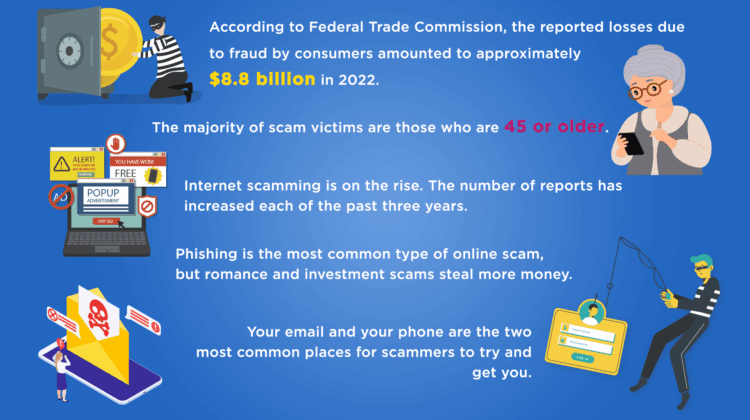
Scammers don’t only target individuals. Businesses are attractive targets because they handle payments, deal with suppliers, and often move fast. One rushed decision can cost you money, stock, or customer trust.
The good news is that most scams follow familiar patterns. Once you know them, they’re much easier to spot.
Common Scams That Target Businesses
Fake payment alerts. A “customer” shows you a screenshot or receives a message saying payment has been made, and pushes you to release goods or services quickly. The money never actually arrives.
Fake invoices and changed account details. You receive an invoice, or a message from a “supplier” saying their bank account has changed. Paying it sends your money to a scammer.
Impersonation. Someone pretends to be your boss, a staff member, a bank official, or a well-known company, asking for urgent payments or sensitive information through WhatsApp, email, or phone.
Too-good-to-be-true offers. Fake grants, loans, contracts, or investment opportunities that ask you to pay a fee first.
Overpayment tricks. A buyer “accidentally” sends too much and asks you to refund the difference before the original payment has properly cleared.
Habits That Protect You
1. Confirm payments in your own bank app. Never rely on a screenshot, SMS, or someone’s word. Release goods only when the money is confirmed in your account.
2. Verify changes through a second channel. If a supplier or contact asks to change payment details, call them on a number you already trust, not the one in the message.
3. Never share OTPs, PINs, or passwords. Real banks and genuine companies don’t ask for them by message or phone call.
4. Slow down when someone is rushing you. Scammers create urgency so you won’t think. A short pause to verify costs nothing.
5. Check who you’re dealing with. Look up the business, check reviews outside their own page, and be careful with new contacts asking for money upfront.
6. Protect your accounts. Use strong, different passwords and turn on two-factor authentication for email, banking, and social media.
7. Train your staff. Make sure everyone who handles payments or customer messages knows these tricks, and agree that any unusual payment request must be double-checked with you.
What to Do If You’ve Been Scammed
Act quickly. Contact your bank immediately, keep all evidence (messages, screenshots, account details), change passwords for any affected accounts, and report the incident to the relevant authorities. The sooner you act, the better your chances of limiting the damage.
Awareness Is Your Best Defence
Scammers rely on speed, pressure, and trust. Slowing down, verifying, and having simple rules in your business removes most of their advantage.
If you want help securing your business accounts, website, and systems, that’s exactly what we do at Webiit Technologies. Reach out to us for a cybersecurity check for your business.